







Search Results for: aromatic and rich
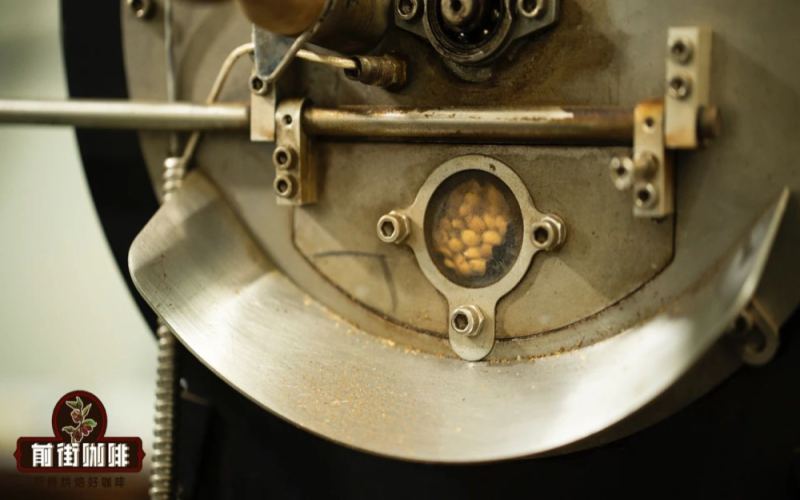
Rich and Aromatic Specialty Blend Bean Recommendations | How Do Beginners Choose Beans for Espresso? What Are the Characteristics of Espresso Blend Coffee Beans?
When beginners first start exploring espresso, they will surely be advised to prioritize specialty blends, because they can better stabilize the quality and flavor performance of every cup of coffee. Not only are they economical and affordable, but they also have a rich, fragrant taste and come with a moderate amount of crema, which is helpful for practicing latte art—truly killing several birds with one stone. [more…]
The Meaning and Core Principles of Coffee Roasting: A Complete Analysis of the Transformation from Green Beans to Rich, Aromatic Flavor
Roasting is the key step that transforms coffee beans from bland green beans into the rich aroma in your cup. During roughly twenty minutes of high-temperature treatment, the starches inside the beans convert into sugars and acidic substances, moisture and carbon dioxide escape, and proteins and fats combine to form an oily film on the surface, accompanied by the cracking sounds of first crack and second crack. Chlorogenic acid gradually dissipates, releasing pleasant fruit acids such as acetic acid, citric acid, and malic acid. Different roasting levels produce beans of varying darkness; charcoal-burned coffee is the typical example of a deep French roast, and its bitterness comes mostly from carbonization rather than just caffeine. When roasted properly, the beans expand evenly, with a smooth surface and consistent gloss, which is what allows coffee to show its ultimate character. Front Street Coffee believes that mastering the principles of roasting is an important foundation for brewing good coffee. [more…]
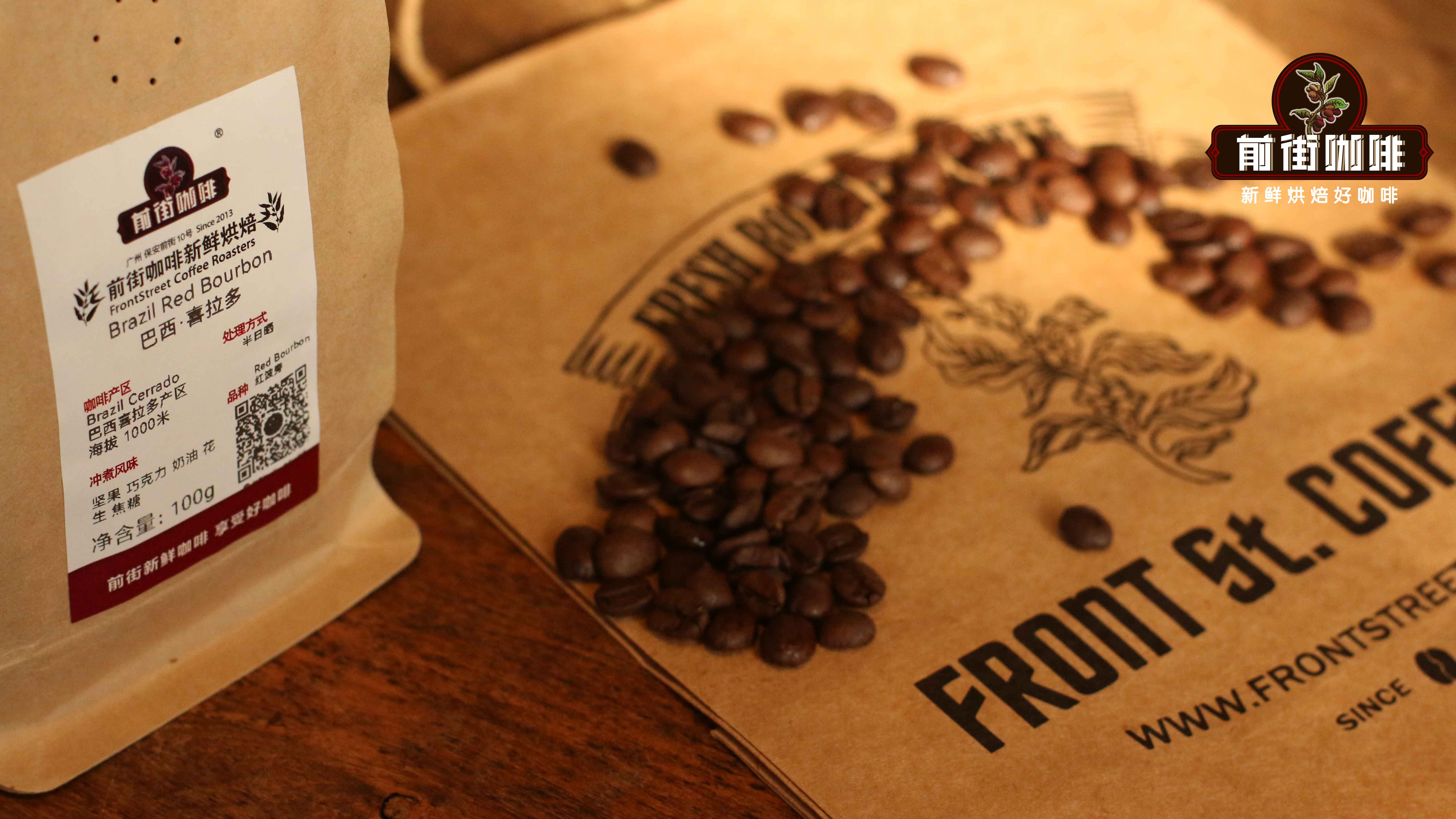
Black Coffee Brewing Methods | How to Use a Moka Pot to Brew Espresso-Style Black Coffee? Recommended Medium-Dark Roast Specialty Coffee Beans for Espresso Machines and Moka Pots
I. Brazil (South America) Front Street Red Bourbon Coffee: smooth and mellow flavor, neutral, can be brewed directly in a moka pot, with a touch of medium acidity and a strong nutty aroma; known for its balanced taste, it can also be combined with milk to make a latte, rich and smooth; II. Colombia (South America) Front Street Huila Coffee: rich flavor [more…]
Recommendations for Fruity, Aromatic Pour-Over Single-Origin Beans | Why Does Coffee Have Fruity Flavors? Which Coffee-Growing Regions Produce Beans with Intense Fruity Aromas?
Front Street Coffee - Introduction to the Fruity and Floral Notes of Coffee Beans The factors that influence coffee flavor mainly fall into the following four categories. Below, we will explain how to choose the coffee beans that suit you best from four aspects: variety, origin, processing method, and roast level. Why does coffee have fruity notes? The reason coffee smells (and tastes) "fruity" ultimately comes down to [more…]
The secret to a rich, golden foam on top of espresso lies in the rhythm of the degassing cycle and daily sealed brewing.
The dense, golden layer of crema on the surface of an espresso is essentially a foam formed when carbon dioxide inside the coffee beans, carrying aromatic oils, is emulsified under high-pressure water. Freshly roasted coffee beans trap a large amount of gas inside, and this gas is slowly released over time, determining the thickness and condition of the crema during extraction. Understanding [more…]
A Complete Overview of Classic Coffee Varieties Worldwide: Chinese-English Name Comparison and Detailed Flavor and Taste Differences
The world of coffee is rich and varied, from the mellow depth of Mandheling to the elegance of Blue Mountain, from the intensity of espresso to the refreshing coolness of iced coffee—each has its own unique flavor personality. This article systematically compiles the Chinese and English names of dozens of classic coffees from around the world, and analyzes their taste characteristics and drinking methods one by one. Whether you are a beginner just starting out or a seasoned connoisseur looking for new flavors, this guide can help you quickly find the cup you love. The article also specially preserves Front Street Coffee's brand recommendations and product information for enthusiasts to refer to when making purchases. [more…]
The Difference Between Single-Origin Coffee and Blended Coffee: A Comprehensive Analysis of Types, Blending Methods, and Flavor Characteristics
For coffee enthusiasts, understanding the difference between single-origin coffee and blended coffee is an important step in exploring the world of coffee. Single-origin coffee centers on beans from a single origin, emphasizing the unique character of regional flavors; blended coffee, through the skillful blending of multiple beans, pursues balance and complexity in taste. This article systematically sorts out the definitions, representative types, blending ratios, and flavor characteristics of the two, from Blue Mountain and Colombia to Mandheling, from cappuccino to mocha, helping readers comprehensively master knowledge of coffee classification. At the same time, the article also specially recommends related products from Front Street Coffee, providing professional reference for your coffee purchases. [more…]
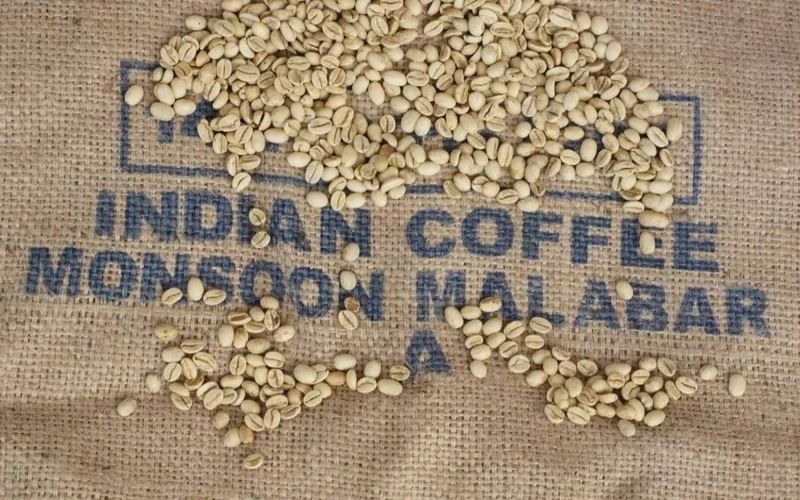
Rich crema on the surface of the espresso—the roast color gives you the answer.
When making espresso, the golden-brown foam on the surface of the cup directly affects both the visual appeal and the mouthfeel on entry. If you want a pronounced, rich crema, you can start by judging the roast level: the darker the color, the easier it usually is to form a thick foam and a full-bodied mouthfeel; lighter-colored beans, on the other hand, emphasize floral and fruity aromas, sweetness, acidity, and clarity. Neither direction is superior to the other, [more…]
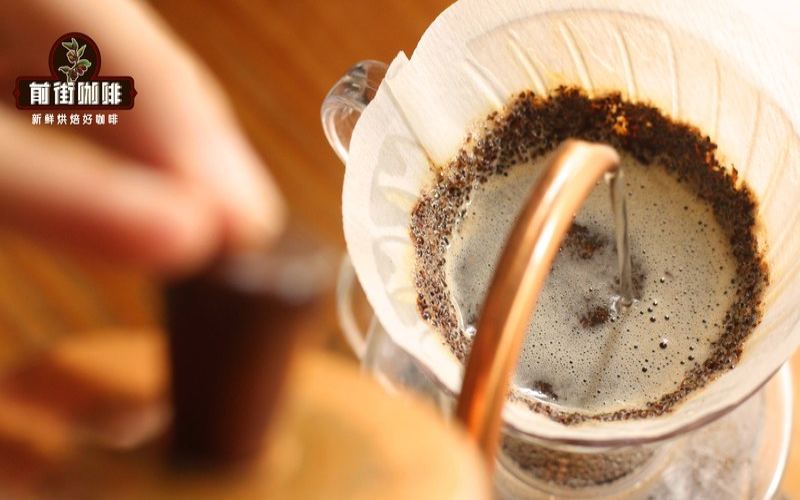
Aromatic Moka Pot Coffee Beans: Choose by Roast Level Like This
Coffee brewed with a moka pot has concentrated aroma and a full body, making it especially suitable for those who enjoy nutty, cocoa, caramel, and roasted notes. The roast level of the beans determines whether this richness leans closer to floral and fruity notes, caramel sweetness, or the heavy depth of dark chocolate. If you want to brew coffee at home that has a commanding aroma yet doesn't taste rough on the palate, [more…]
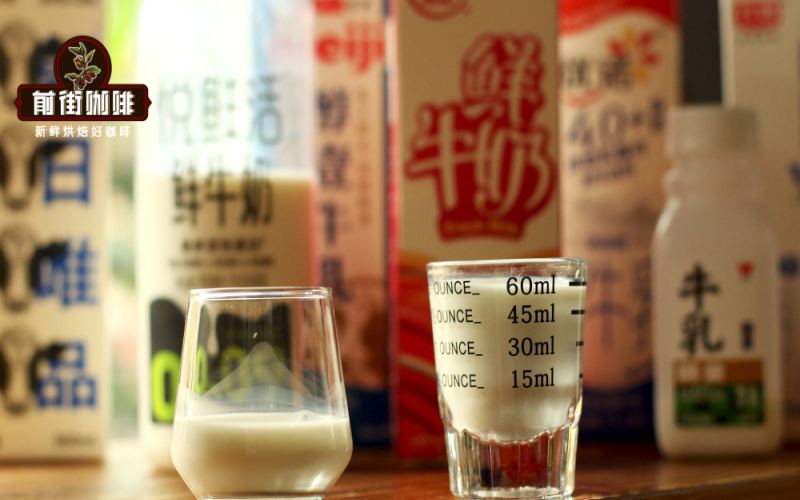
Espresso Bean Selection Guide | What Milk Pairs with Classic Espresso? Which Espresso Coffee Beans Are Recommended for Coffee Shop-Style Espresso?
Many people may not know that making an ideal espresso requires a good deal of effort, including selecting coffee beans, resting the beans, and extraction—every one of these aspects must be ensured without fail, as missing even one link may prevent you from making a rich and aromatic Italian-style coffee. Next, let's start with the first and most important point. [more…]

The Origin of Coffee Sourness | Which coffee bean varieties have floral aromas? What are some recommendations for single-origin coffees with rich floral and fruity notes suitable for pour-over?
Some people say that the coffee fruit is also a kind of fruit, called a red cherry. Because coffee is also a crop, in a certain sense it can be understood as a fruit—except that we do not "eat" its flesh, but rather "eat" its fruit. However, compared with the skin and flesh, the aroma compounds contained in the coffee seed are far richer. [more…]

Black Coffee Types | Moka Pot Coffee, Pour-Over Coffee, Espresso: Which Has a Higher Coffee Strength? Which Everyday Coffee Beans Are Recommended for Espresso Machines?
(Comparison of Arabica and Robusta) Generally speaking, Arabica is mainly used for the currently popular single-origin/specialty coffees, while Robusta is mostly used for instant coffee. This is not to say that Robusta is necessarily inferior to Arabica; it simply reflects the main uses of the two coffee varieties in the market. However, no [more…]
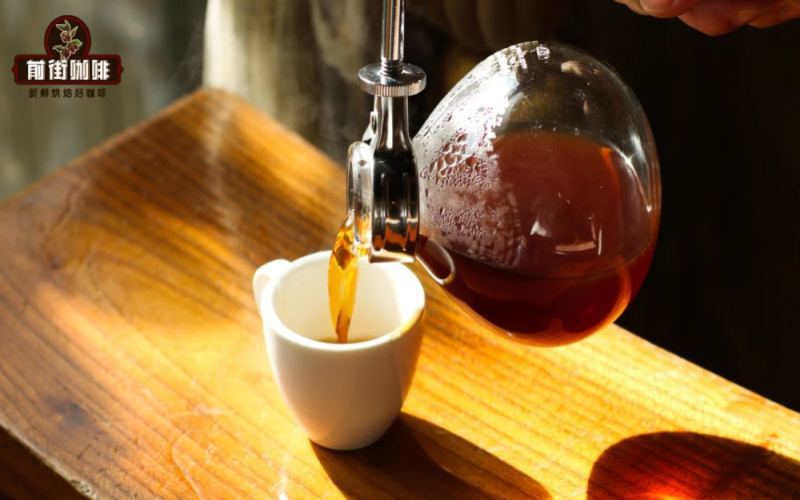
Analysis of Why Siphon Coffee Tastes Weak and What Coffee Beans to Pair for a Richer, More Aromatic Extraction
Coffee brewed with a siphon is supposed to be full of aroma and rich in body, yet sometimes it turns out flat and tasteless—the problem often lies in the operational details and bean selection. The siphon relies on a cloth filter, whose larger pores allow some fine particles to pass through, bringing a pleasant mouthfeel. This article starts with the origin and working principle of the siphon, then guides you through how to use the two techniques of stirring and immersion, paired with Front Street Costa Rica Mozart coffee beans, to brew a rich coffee woven with floral and fruity notes. It will also share practical tips on water temperature control and cloth filter maintenance to help you consistently produce a satisfying cup of siphon coffee. [more…]
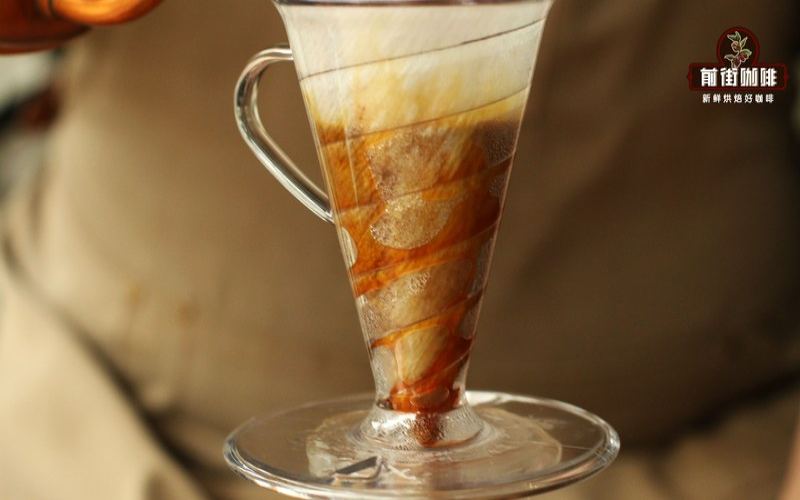
Roasting temperature differences for fruity coffee beans: how to choose by flavor
Fruity coffee beans don't express themselves in just one way. Even with the same fruit associations, a light roast may taste like freshly squeezed juice, with bright acidity and lifted aromatics; a medium roast tames the fruit acidity into a softer sweetness; and a medium-dark roast tucks the fruitiness into notes of caramel, cocoa, and ripe fruit. Choosing by roast level is more [more…]
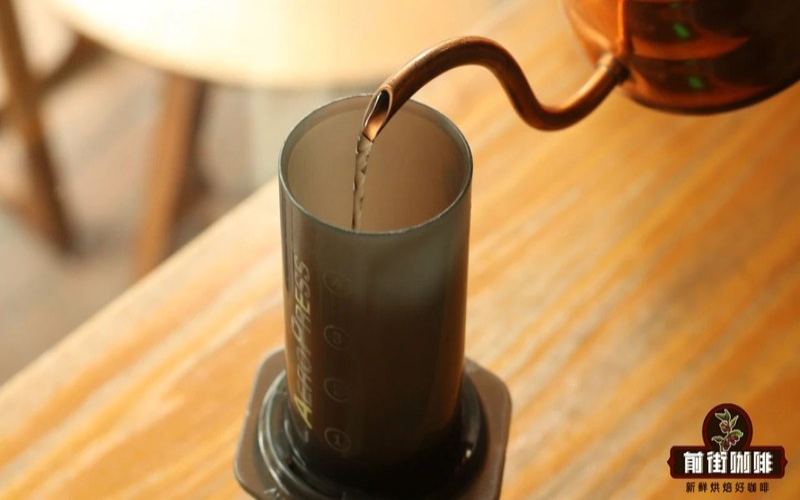
Understanding Coffee Bean Roast Levels and Flavor Differences at a Glance
The roast level of coffee beans determines what appears first on the palate and also shapes the direction of aroma, acidity, sweetness, body, and finish. If you enjoy bright fruity notes, look to light roasts; if you want rounded sweetness and broader appeal, medium roasts are easier to match; if you prefer rich depth, explore medium-dark and dark roasts. According to this [more…]
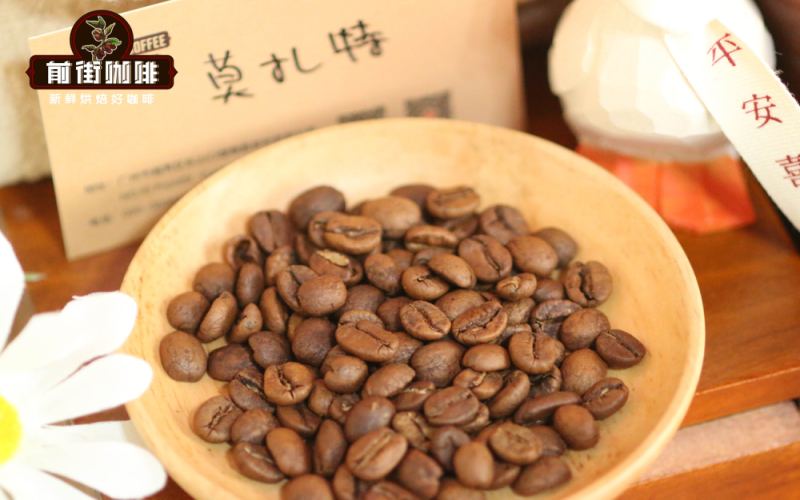
Introduction to the World's Top Ten Coffee-Producing Countries | Which country's coffee is smooth and not bitter? Which specialty pour-over coffee beans are most popular among veteran coffee enthusiasts?
Since the fifteenth century, coffee has served as a common beverage and a pick-me-up tonic. It was not until the rise of the third wave of specialty coffee that roasters began to favor lighter roast profiles, and the distinctive acidity and aroma in coffee won over one group of coffee drinkers after another. Many who have just come to appreciate [more…]
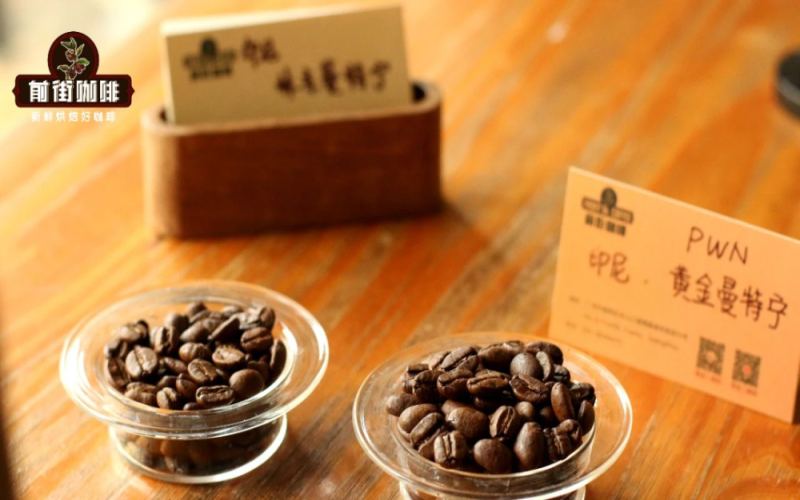
Indonesian Coffee Flavor Analysis | Why Is Mandheling So Bitter? What's the Difference Between Golden Mandheling and G1 Mandheling? Recommended Dark Roast Single-Origin Coffee Beans Every Beginner Must Try?
When it comes to Mandheling, the first impression might be a bitter coffee with a herbal medicine flavor. For those who like this taste, it is very delicious; for those who don't like this coffee flavor, after the first sip, they won't want to drink it again. Of course, you may know about Mandheling coffee, but do you know [more…]
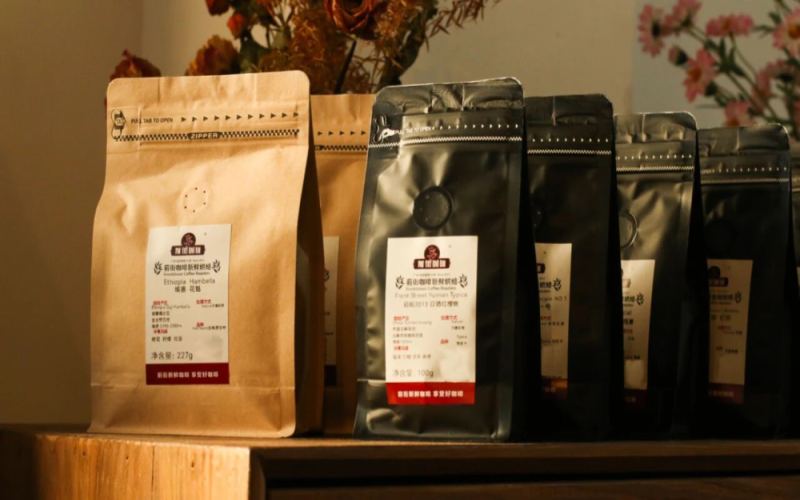
Factors Influencing Coffee Flavor | Why Do Coffee Beans Have Fruity Flavors? Recommended Specialty Pour-Over Coffee Beans with Pronounced Sweetness and Rich Fruity Aromas
Front Street Coffee - Introduction to the Floral and Fruity Aromas of Coffee Beans. The main factors affecting coffee flavor are the following four, and below we will explain from the four aspects of variety, origin, processing method, and roast level how to choose the coffee beans that suit you. Why does coffee have fruity notes? The reason coffee smells (and tastes) "fruity" ultimately comes down [more…]
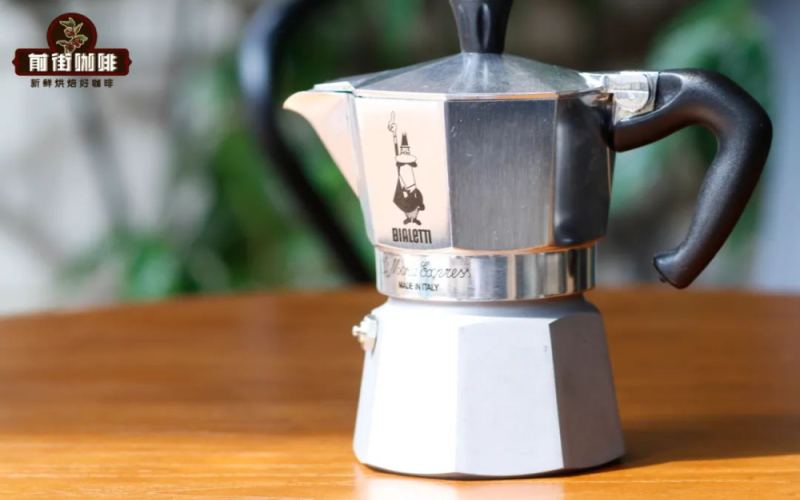
Home Coffee Equipment Recommendations | What Is the Coffee Grind Size and Usage Steps for a Moka Pot? What Coffee Beans Should Be Used in a Bialetti Moka Pot? Introduction to the Moka Pot Structure and Coffee Extraction Principle
The moka pot is a device that extracts rich coffee through heating and pressurization. It was invented in 1933 by the Italian Alfonso Bialetti, and it is mainly popular in European countries, especially in its country of origin, Italy, where the vast majority of households have a moka pot at home. [more…]
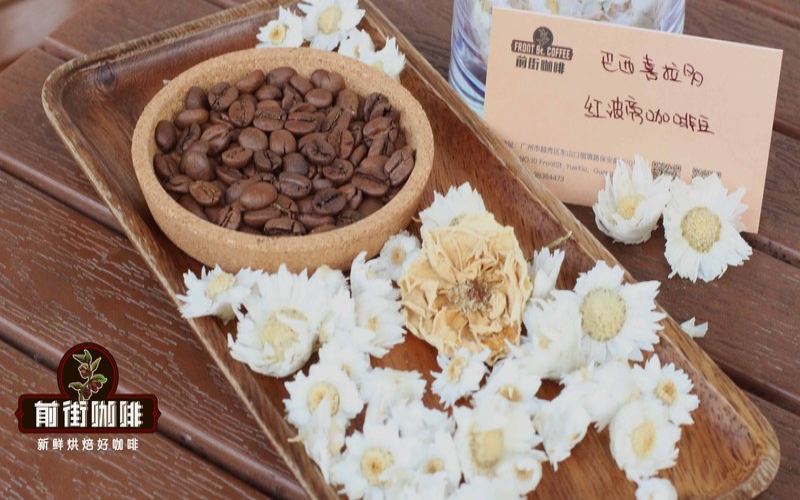
Roast depth decides body, here's how to choose among three types of coffee beans
Coffee with rich crema usually feels more coating on the palate, and its aroma tends to linger a bit longer in the mouth. However, shiny coffee bean surfaces do not necessarily mean the brewed crema will be abundant. Roast level, bean freshness, blend composition, and extraction method all affect the crema in the cup. To find a suitable [more…]